
When the 2026 FIFA World Cup kicks off in the summer, the whole world will be watching the action on the pitch. But it is also worth taking a look behind the scenes: few events bring together so many industrial property rights in such a concentrated space as a World Cup tournament. Even the ball rolling across the grass is a small lesson in intellectual property.
Selected IP rights show how patents, designs and trademarks interact in modern football.
Patents: The Ball That Thinks Along
The official match ball of the 2026 World Cup, the “Trionda”, carries a sensor module at its centre weighing only a few grams. This module transmits movement data at high frequency to the video assistant referee system (VAR). Together with camera tracking of the players, this forms the basis for semi-automated offside detection. This “Connected Ball Technology” is not a gimmick: it was already officially used at the 2022 World Cup, and in 2026 it will once again play a role in decisions on the pitch.
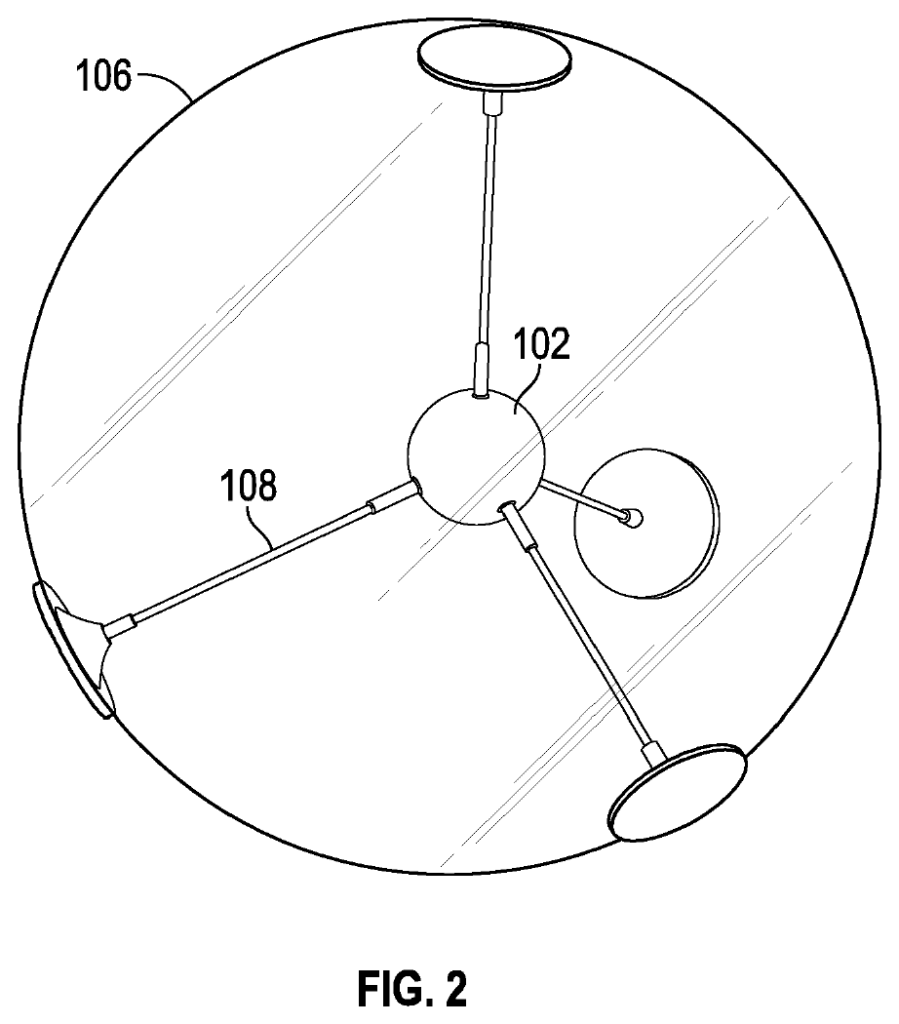
To ensure that the sensitive sensor module does not affect the ball’s playing characteristics, it must be held exactly in the centre. This is precisely the type of technical solution that can be protected by a patent. A patent application filed by adidas describes this very principle: a sensor module held freely suspended inside a hollow ball by a network of suspension elements. The original figure from the application looks as follows:
One instructive side note: patent protection is always limited in time – generally to 20 years from the filing date. The first patents relating to goal-line technology, for example, date back to the early 2000s and have long since expired; this basic principle can now be used by anyone.
Designs: Form Is No Coincidence
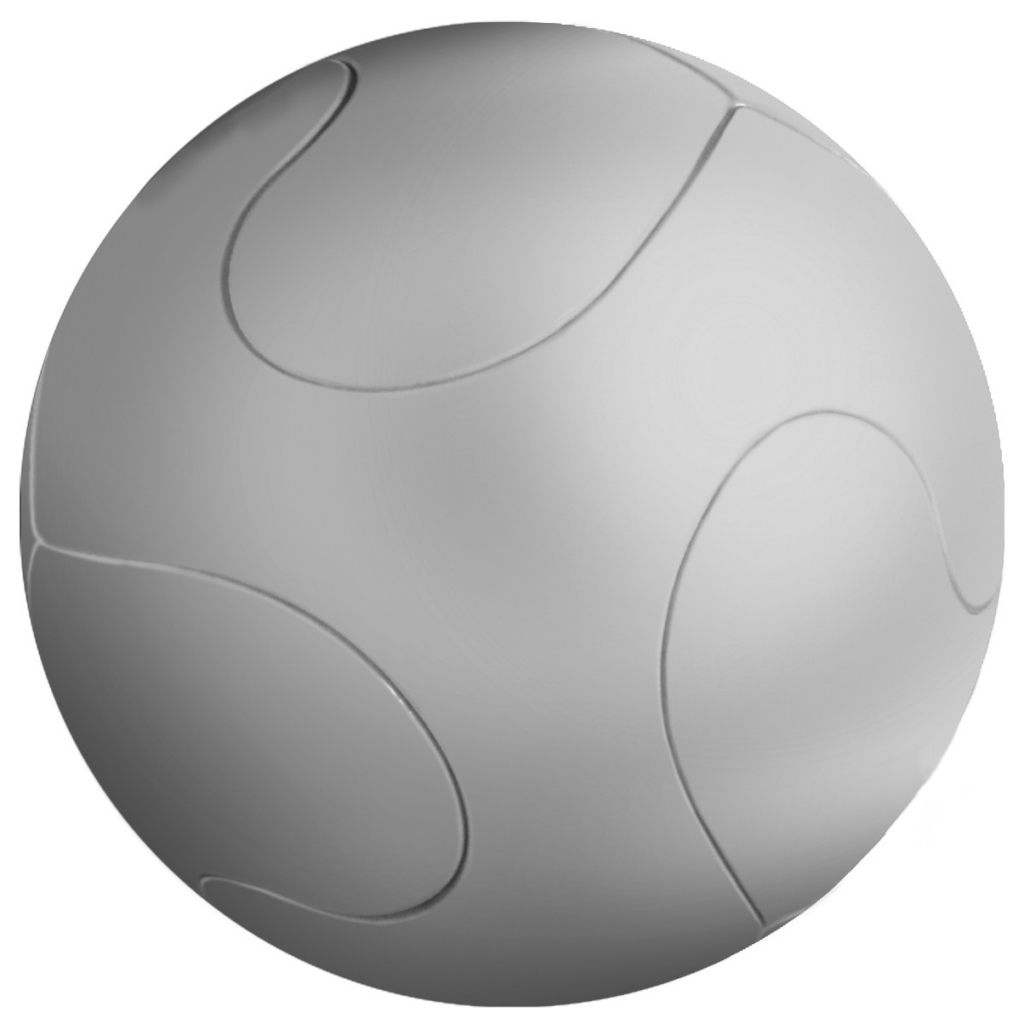
While patents protect technical solutions, registered designs protect appearance – shape, contours, patterns and colours. The World Cup contains plenty of these as well. The distinctive four-panel design of the match ball is registered as an EU design.
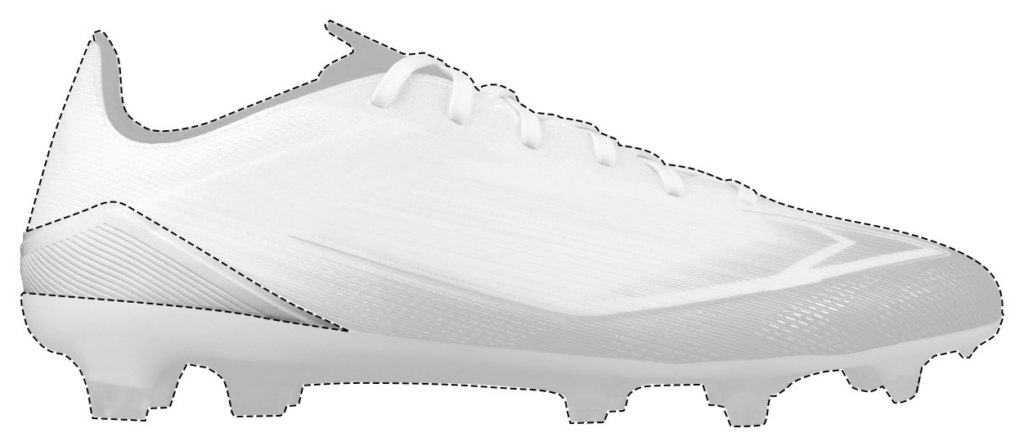
The players’ equipment is also protected. The cut and shape of a football boot can likewise be registered as a design:
Even the World Cup’s crowd favourites are a matter of design protection: the three mascots Maple (Canada), Zayu (Mexico) and Clutch (USA) are each registered as separate designs.
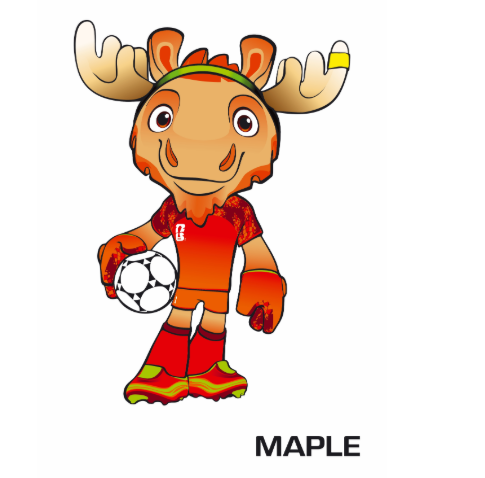
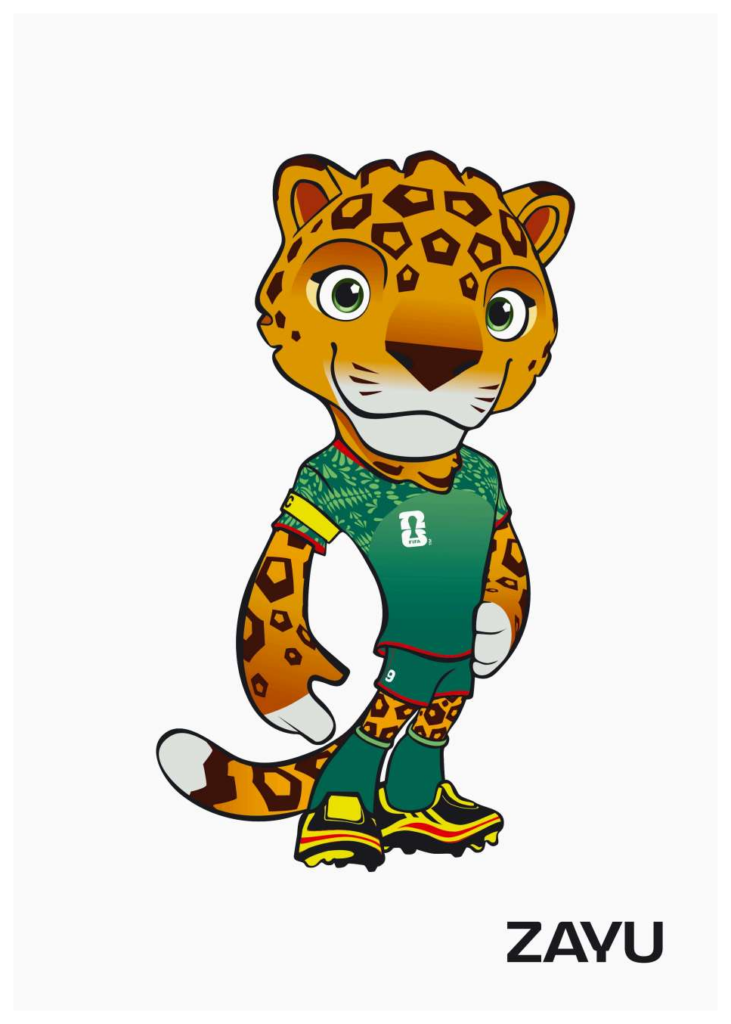
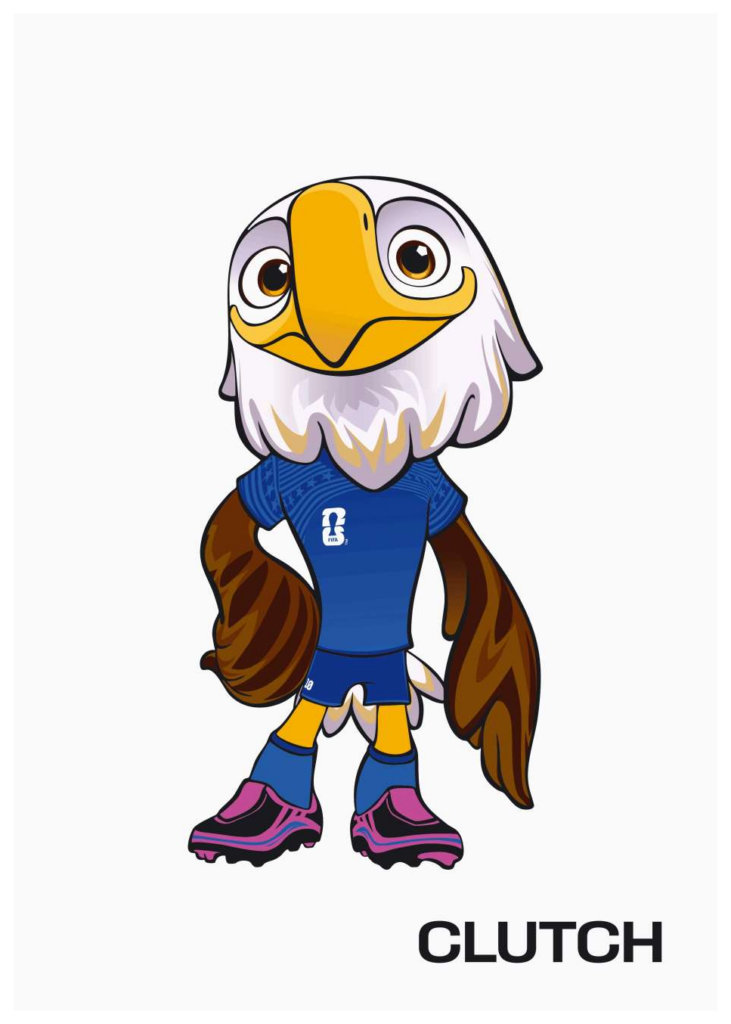
Maple – EU Design: 015117919-0001 | ZAYU – EU Design: 015117881-0001 | CLUTCH – EU Design: 015117940-0001
Trademarks: Names and Signs Everyone Knows
That leaves trademarks. A trademark does not protect the technology or the shape, but rather the sign – the name or logo by which the public recognises the commercial origin. The name of the ball itself, “TRIONDA”, is registered as European Union word mark 019006277 by adidas in class 28; the name itself is protected, regardless of the specific lettering or visual presentation. In addition, the central event signs are protected as figurative marks – including the World Cup emblem and the umbrella name of the tournament:

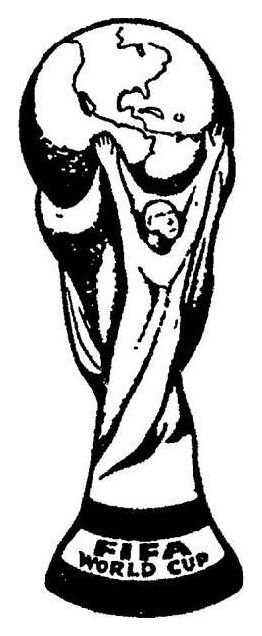
Trademark protection is of enormous economic importance, especially in connection with major events. Sponsorship, merchandising and licensing depend entirely on the central signs being legally secured and enforceable against free riders. Anyone advertising with a “World Cup” reference without a licence can quickly feel the consequences – trademark protection is the foundation on which the entire commercialisation of a tournament rests.
And Your Product?
Patents, designs and trademarks interact seamlessly in the World Cup ball and together create value that extends far beyond the individual product. What is remarkable is that this interplay is by no means limited to World Cup-scale projects. Almost every well-designed product contains more intellectual property than may be apparent at first glance – from the technology and the shape to the name.
We help you protect the innovations in your company just as consistently as the major players do. Get in touch – together we will find the right IP strategy for your product.